Educational Programs
Hilary Wehrle is the co-owner of Windhorse Farm and a dedicated steward of heritage livestock, regenerative agriculture, and rural traditions. With a professional background spanning more than a decade as an Architectural Historian, preservation consultant, and researcher, she brings a unique perspective to farming that values conservation, sustainability, and the preservation of living agricultural heritage. A life-long horsewoman, Hilary has gained a keen eye for conformation and evaluation, and brings her love of heritage breeds into the farm model.
At Windhorse Farm, Hilary focuses on livestock breeding, genetics development, rare breed conservation, and educational outreach, with particular interest in Kunekune pigs, Tunis sheep, heritage poultry, and small-farm sustainability. She has a particular interest in preserving and improving rare and heritage breeds while promoting genetic diversity and responsible breeding practices. Her work combines practical husbandry, long-term stewardship, and a commitment to helping strengthen resilient local food systems through responsible breeding, ethical land management, and community education.
Claire Wehrle is the co-owner of Windhorse Farm and brings a lifelong passion for livestock, horsemanship, and agricultural stewardship to the farm's breeding and conservation programs. Her agricultural foundation began through active participation in FFA and youth livestock programs, where she developed a strong appreciation for animal husbandry, genetics, and the role of agriculture in sustaining rural communities. An accomplished equestrian, Claire spent many years training and competing in dressage, developing a deep understanding of conformation, performance evaluation, biomechanics, and the long-term value of thoughtful breeding decisions. This background continues to inform her approach to livestock selection, emphasizing structural soundness, temperament, athleticism, and functional performance.
At Windhorse Farm, Claire focuses on livestock genetics, heritage breed conservation, and the development of sustainable small-farm breeding programs. Claire works to help ensure that valuable agricultural bloodlines remain productive, resilient, and available to future generations of farmers, homesteaders, and livestock enthusiasts.
What We Offer
Basic On-line Courses
Small Farm Consultation
Sustainable Homesteading
AI for Small Farms
Breeding Heritage Livestock
Selecting Genetics for Profitability
Recommended
Welcome to Sustainable Homesteading, a course designed to help you build a more resilient, productive, and intentional life through practical skills, thoughtful stewardship, and a deeper connection to the resources that sustain you.
Homesteading is about far more than growing food or raising livestock. At its heart, it is a way of approaching life that values self-reliance, resourcefulness, community, and responsibility. Sustainable homesteading takes this philosophy a step further by focusing on practices that improve the health of the land, support ecological balance, and create systems that can endure for generations.
Whether you live on a few acres, a suburban lot, or a larger farm, sustainable homesteading offers opportunities to reduce dependence on outside systems while increasing your ability to provide food, household products, and practical skills for yourself and your family. Through gardening, food preservation, livestock management, renewable resources, soil building, water conservation, and household production, homesteaders can create meaningful levels of independence while remaining connected to their local communities.
This course is designed for both beginners and those seeking to expand existing homesteading knowledge. You will learn how to evaluate your resources, set realistic goals, develop productive food systems, improve soil health, manage livestock responsibly, preserve harvests, reduce waste, and create diversified income opportunities. Along the way, we will explore how traditional knowledge and modern innovations can work together to build sustainable and resilient homestead systems.
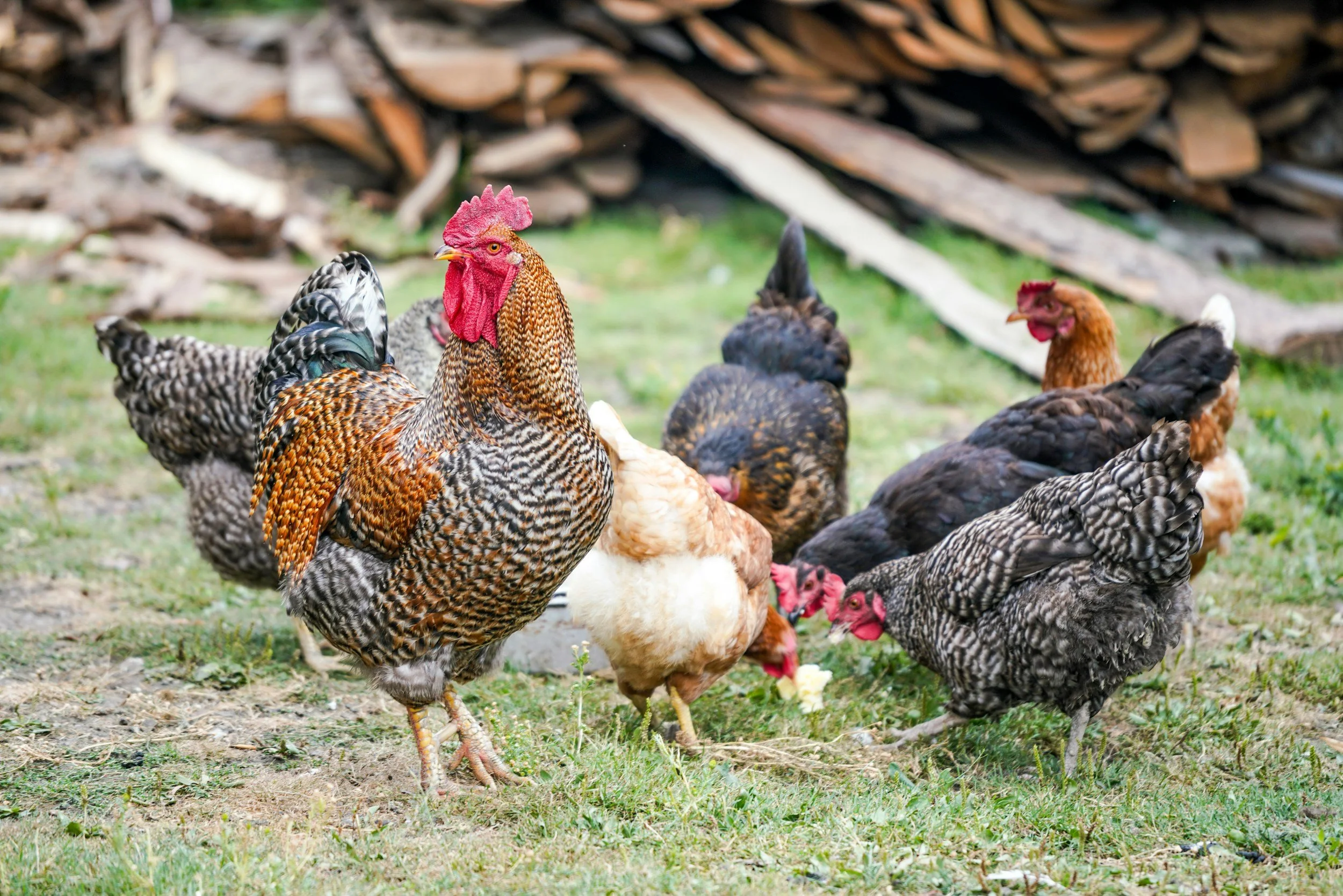
RecommendedBreeding Heritage Livestock is a practical and inspiring course designed for small farmers, homesteaders, and conservation-minded breeders who want to develop successful breeding programs while preserving rare and traditional livestock genetics. Whether you are raising heritage pigs, sheep, goats, cattle, poultry, or other conservation breeds, this course provides the knowledge and tools needed to make informed breeding decisions that support both farm profitability and long-term breed preservation.
Students will learn how to establish breeding goals, evaluate breeding stock, understand pedigrees, manage genetic diversity, and select animals based on production traits, health, temperament, and breed standards. The course explores the unique opportunities and challenges of working with Livestock Conservancy-listed breeds and demonstrates how small farms can play a critical role in maintaining valuable genetic resources for future generations.
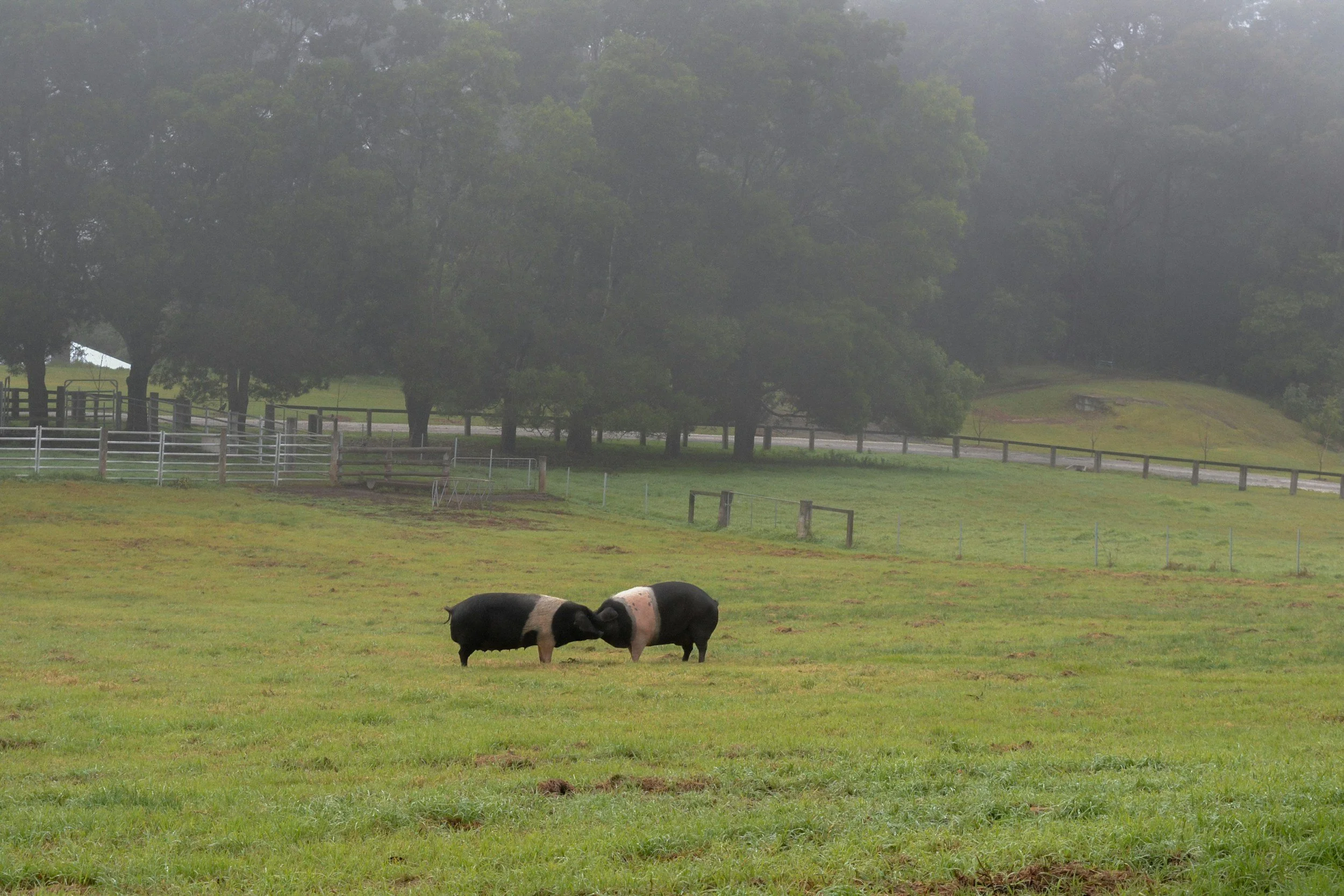
RecommendedFor generations, successful farming has relied on observation, recordkeeping, practical knowledge, and the ability to adapt to changing conditions. Today, small farmers have access to a new tool that can strengthen those traditional skills: Artificial Intelligence (AI).
AI is often associated with large corporations and advanced technology, but it is increasingly becoming accessible and useful for small farms, homesteads, and agricultural businesses. Used thoughtfully, AI can help farmers save time, improve decision-making, organize records, create marketing materials, analyze farm finances, develop enterprise budgets, plan breeding programs, and communicate more effectively with customers.
This course is designed specifically for small-scale farmers who may have little or no technical background. Rather than focusing on complicated programming or expensive technology, we will explore practical ways AI can support daily farm operations. You will learn how AI tools can assist with livestock management, crop planning, farm business development, social media marketing, grant writing, educational content creation, and long-term strategic planning.