
Learn more about the benefits of bringing Windhorse Farm Livestock Genetics into your program
Why use AI on a small farm?
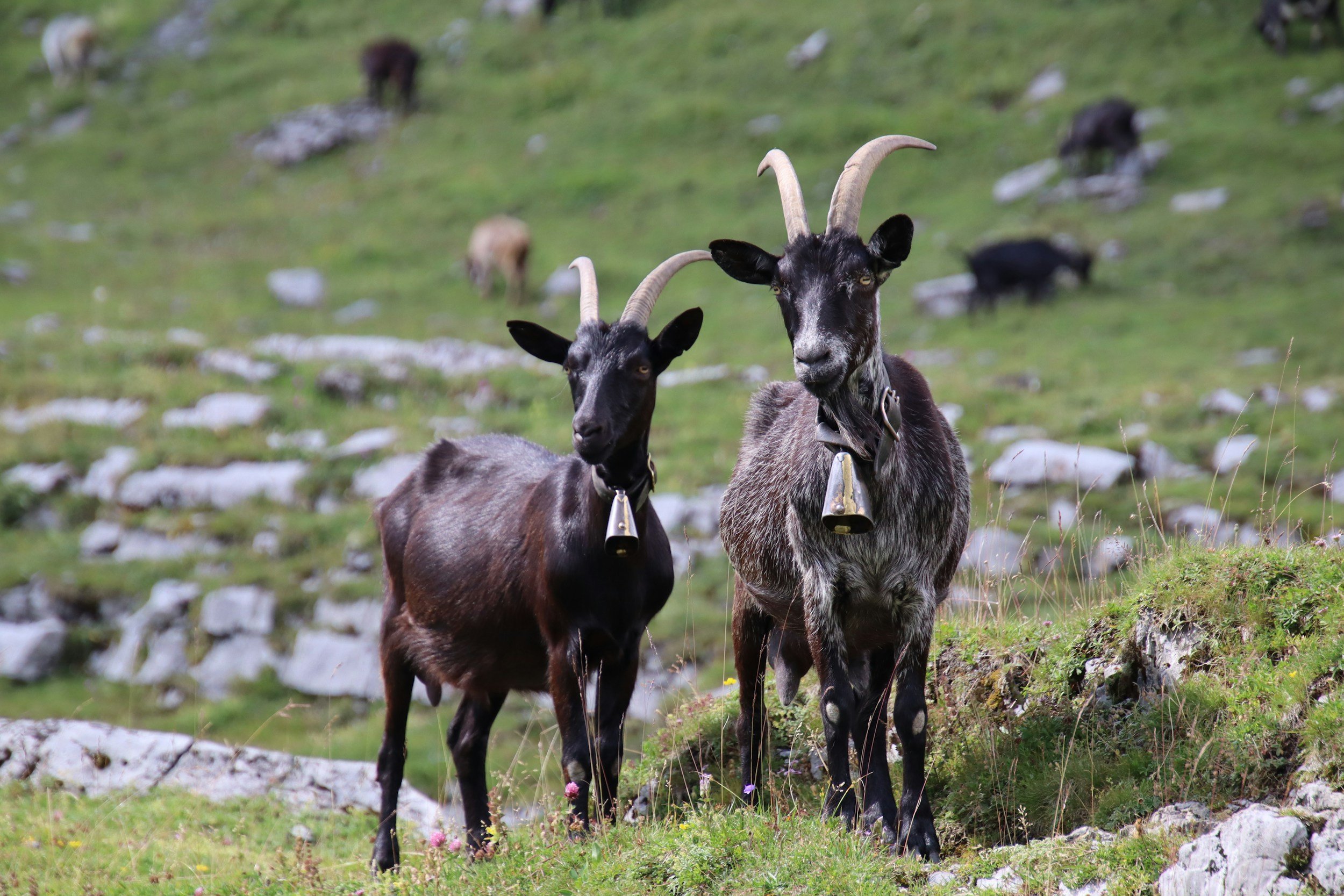
Artificial insemination gives small farms access to superior genetics without the expense and responsibility of owning additional breeding males. Rather than purchasing, feeding, housing, fencing, insuring, and managing a ram, boar, or bull year-round, breeders can select from a wide range of proven sires whose genetics align with their breeding goals. This allows farms to improve conformation, productivity, temperament, growth rates, maternal traits, and genetic diversity while maintaining a smaller breeding herd and lower overhead costs.
The economic benefits can be substantial. A quality breeding ram may cost $1,000–$3,000 and require feed, health care, fencing, and housing throughout the year, even when only used for a short breeding season. Breeding boars and bulls often represent even larger investments and ongoing expenses. In contrast, purchasing semen allows breeders to access elite genetics for a fraction of the cost while avoiding the long-term maintenance of additional animals. AI also reduces transportation expenses, lowers biosecurity risks associated with bringing new animals onto the farm, and provides access to genetics that might otherwise be unavailable or prohibitively expensive.
For heritage and rare-breed breeders, AI offers an additional conservation advantage. Access to unrelated bloodlines can help reduce inbreeding, strengthen herd resilience, and preserve valuable genetics for future generations. By improving genetic quality while controlling costs, artificial insemination can increase the value of breeding stock, offspring, and replacement animals, helping small farms become more profitable and sustainable over the long term.
How semen shipping works
Semen shipping allows breeders to access superior livestock genetics from across the country without the expense and logistical challenges of transporting live animals. Frozen semen is stored in specialized cryogenic tanks containing liquid nitrogen, which keeps the genetics viable for years when properly maintained. Once a breeder selects a sire, the required number of doses is prepared and shipped in a secure dry shipper designed to maintain cryogenic temperatures throughout transit.
Upon arrival, the semen can be transferred to a qualified storage facility or used immediately by a veterinarian or trained artificial insemination technician. Many farmers have been trained to use AI themselves. After the breeding process is complete, the shipping tank is returned to the sender according to the provided instructions. This process gives small farms access to elite and rare bloodlines while reducing biosecurity risks, transportation costs, quarantine concerns, and the ongoing expense of owning additional breeding males. For many producers, semen shipping is one of the most cost-effective ways to improve herd genetics, expand breeding options, and support long-term breeding goals without increasing farm infrastructure or livestock inventory.
COI Basics for Rare Breeds
The Coefficient of Inbreeding (COI) is a tool used to estimate how closely related an animal's ancestors are. In rare and heritage breeds, understanding COI is especially important because breed populations are often small, making it more likely that animals share common ancestors. A higher COI indicates a greater probability that an animal inherited identical genes from both sides of its pedigree, while a lower COI generally reflects greater genetic diversity.
For conservation breeders, the goal is not necessarily to achieve the lowest possible COI, but rather to balance genetic diversity with the preservation of important breed characteristics. Strategic linebreeding can help maintain desirable traits, while excessive inbreeding may increase the risk of reduced fertility, lower vigor, weaker immune function, and loss of genetic diversity over time. By reviewing pedigrees and considering COI before making breeding decisions, breeders can identify opportunities to introduce unrelated bloodlines, preserve rare genetics, and strengthen the long-term health and sustainability of the breed.
As a general guideline:
Under 5% COI – Low inbreeding and strong genetic diversity
5–10% COI – Moderate inbreeding, common in many breeding programs
10–15% COI – Elevated inbreeding; careful evaluation recommended
Over 15% COI – High inbreeding; breeders should carefully assess risks and breeding goals
At Windhorse Farm Genetics, we believe pedigree analysis and genetic diversity awareness are important tools for responsible breeding. Basic COI and pedigree guidance are provided with semen purchases to help breeders make informed decisions that support both herd improvement and rare breed conservation.
How to Prepare for Breeding Season
A successful breeding season begins long before animals are exposed to a sire or inseminated. Whether using natural service or artificial insemination, proper planning improves conception rates, healthier offspring, and overall herd profitability. Small investments in preparation often produce significant returns through improved fertility, fewer complications, and stronger replacement animals.
Start Planning 60–90 Days Before Breeding
The months leading up to breeding are critical. Both males and females should be evaluated for health, body condition, nutrition, and reproductive readiness.
Evaluate Body Condition
Animals that are too thin or too heavy often experience reduced fertility.
Assess body condition scores (BCS) for all breeding animals.
Adjust feed programs if needed.
Ensure females enter breeding season in moderate to good condition.
Avoid sudden dietary changes immediately before breeding.
Good body condition supports conception, healthy pregnancies, and strong offspring.
Review Breeding Goals
Before selecting a sire, determine what improvements you hope to achieve.
Consider:
Genetic diversity
Growth rates
Maternal traits
Temperament
Structural correctness
Fiber, meat, or milk production goals
Breed conservation objectives
Having clear goals helps guide sire selection and mating decisions.
Review Pedigrees and COI
For heritage and rare breeds, pedigree evaluation is especially important.
Review:
Relatedness between sire and female
Coefficient of Inbreeding (COI)
Rare or underrepresented bloodlines
Potential genetic strengths and weaknesses
Thoughtful sire selection can improve herd quality while supporting long-term breed conservation.
Schedule Health Checks
Work with your veterinarian to ensure breeding animals are healthy and up to date on preventative care.
Consider:
Vaccinations
Parasite management
Hoof trimming
Reproductive examinations
Disease testing when appropriate
Healthy animals are more likely to conceive and carry pregnancies successfully.
Prepare Facilities
Breeding season often requires additional handling and record keeping.
Make sure:
Fencing is secure
Handling equipment is functional
Breeding pens are ready
Records are organized
Animal identification is current
Good facilities reduce stress and improve management efficiency.
If Using Artificial Insemination
Plan ahead to avoid last-minute challenges.
Before ordering semen:
Confirm breeding dates
Review sire availability
Arrange semen shipment
Schedule AI technicians or veterinary assistance if needed
Prepare storage or handling equipment
Popular sires and rare-breed genetics may have limited availability, so early planning is important.
Organize Record Keeping
Accurate records help evaluate breeding success and guide future decisions.
Track:
Breeding dates
Sire used
Semen batch information
Pregnancy checks
Birth dates
Offspring performance
Over time, these records become one of the most valuable tools for improving herd genetics.
Think Beyond This Season
Every breeding decision influences future generations.
Ask:
Will this mating improve genetic diversity?
Does it support my production goals?
Does it strengthen my conservation efforts?
Will the offspring be marketable or useful as replacements?
Successful breeding programs balance immediate production goals with long-term herd improvement.
Final Checklist
Before breeding season begins:
✓ Evaluate body condition
✓ Review breeding goals
✓ Select sires
✓ Review pedigrees and COI
✓ Complete health checks
✓ Update vaccinations and parasite control
✓ Prepare facilities
✓ Order semen if using AI
✓ Schedule veterinary or AI services
✓ Organize breeding records
Thoughtful preparation increases conception rates, improves herd quality, and helps ensure that every breeding decision contributes to the long-term success and profitability of the farm.